Photography Tips · Brussels
Restaurant Interior Photography: Making the Room Feel Warm and Full
An empty dining room shot in flat daylight looks colder and smaller than it really is. To make it feel warm, I wait for the moment when your own lamps and the light outside are balanced, I ask for the tables to be set as for service, and I bring in a few people who've agreed to be photographed.
Why an empty room feels cold
A dining room is designed to be seen full, with candles lit on the tables. Take those away and the eye wanders to the floor and the empty chairs. The room reads as quiet rather than calm.
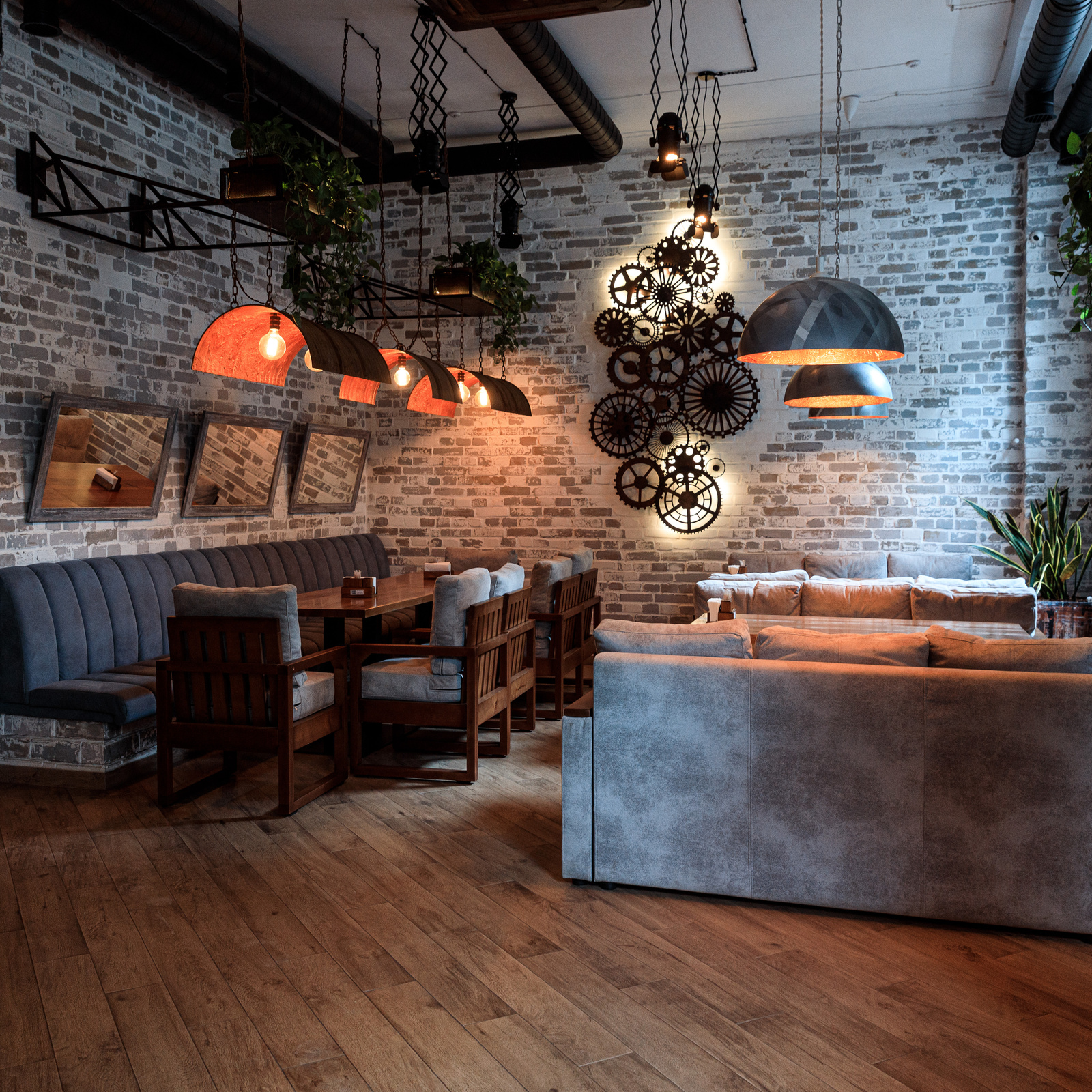
I don't try to fake a crowd. I'd rather show the room at its best hour, with just enough life in it that someone looking at the photo can picture themselves at the table by the window.
The hour I like best
The warmest frames usually come when your lights are on and the daylight outside has gone soft, late afternoon or around dusk depending on the season and which way the windows face. At that point the lamps glow and the windows don't turn into white rectangles.
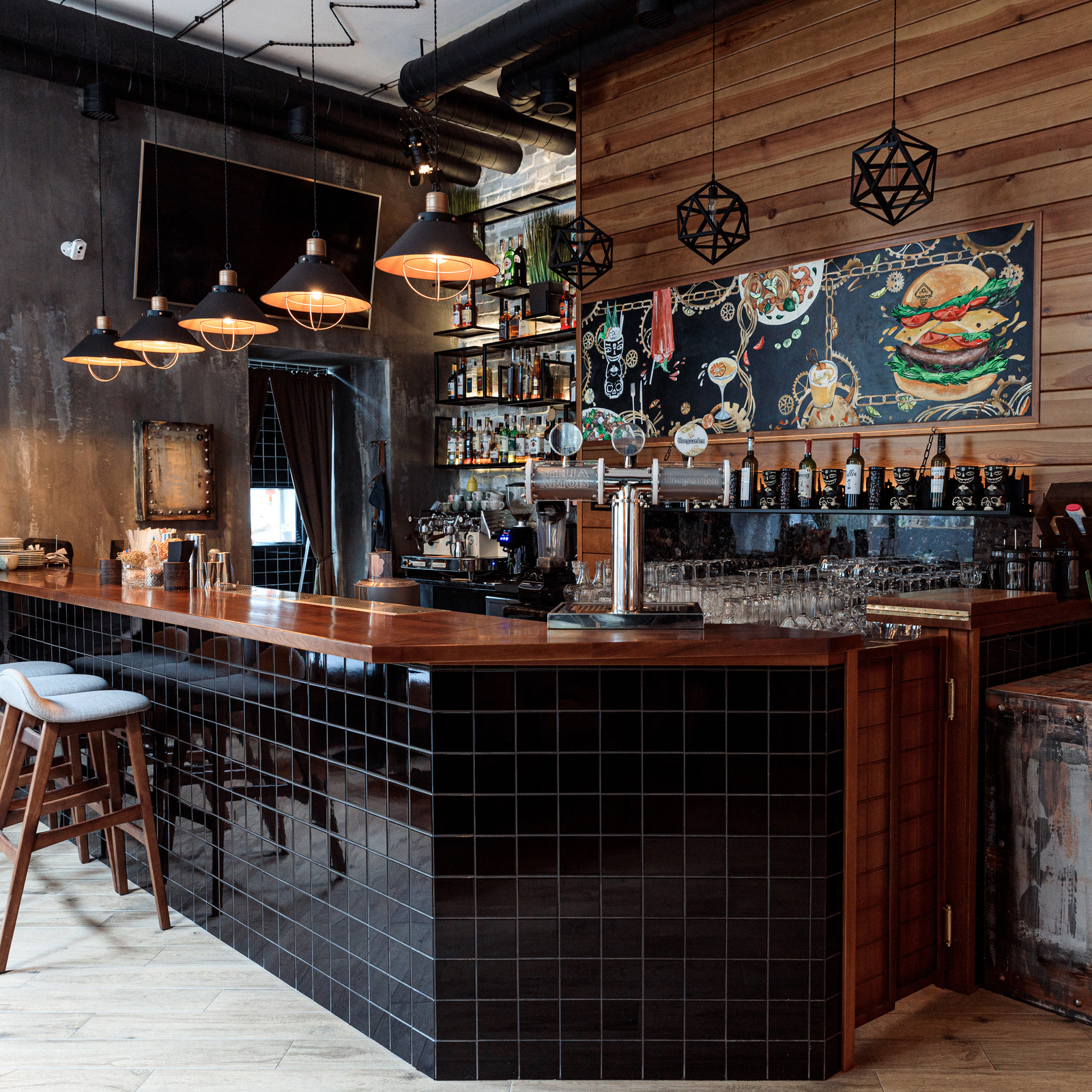
I bring portable lights to lift the dark corners, not to replace the light you chose for the room. Those warm bulbs over the bar are what guests come for, so I keep them. I also keep vertical lines straight and avoid lenses so wide that the room looks twice its size (people notice when they walk in).
Set the tables properly
Set them as for a real evening. Glasses, folded napkins, candles lit, an open bottle on one table, a basket of bread on another. Half-set tables just look like a restaurant that's closed. If you have a bar, a few glasses on the counter and the backlit bottles behind make it the warmest corner of the room.
Next to the wide views I always plan some medium shots of one table and a handful of details: the candle, the texture of the wall, the glow on the zinc counter. Those smaller frames carry the mood to Instagram, where a wide interior gets lost on a phone screen.
People in the frame, with their agreement
A few people bring a room to life. The easiest way is to ask a few regulars or your own staff to sit at two tables for half an hour. Everyone recognisable signs a written consent before the images are used.
During a real service I only photograph guests from behind or out of focus, unless they've said yes. Movement helps too. A waiter crossing the room with two plates, a hand pouring wine. The place looks busy, and nobody's exposed.
Room first, plates after
Interiors fit nicely into the same visit as the dishes. I'll shoot the room in the late afternoon before service, then the plates as the kitchen sends them out, so the Google profile matches the menu.
If you're still choosing who should photograph your place, I wrote about that in how to choose a photographer for your restaurant. What a restaurant session includes is on the food photography page, and the rates are on the price list.
Want your dining room to look as warm as it feels?
See my estimate